

Organization
Preserve Heirloom Textiles: 6 Steps for Flat or Rolled Storage
Heirloom cloth, embroidery and wrapping textiles can be harmed by sharp folds, light, dampness and weight. Learn when to store flat or rolled.
Make space work · Find a small change that fits your home.
Heirloom cloth, embroidery and wrapping textiles can be harmed by sharp folds, light, dampness and weight. Learn when to store flat or rolled.

Review display height and distance, chair and foot support, keyboard and mouse placement and eye breaks using OSHA recommendations.

Check labels and expiry dates, follow each medicine's storage instructions and use local take-back arrangements for unused medicines.

Book condition depends on shelving, humidity, light, support and dust. Adapt preventive practices from the U.S. Library of Congress to a home bookshelf.

Keep disposable alkaline batteries in their original packaging, dry at room temperature and away from loose metal objects; avoid mixing old and new cells.

Check freezer temperature with a thermometer, package and date food by category, and avoid blocking air circulation.
Link card to NAIC home inventory guidance
Featured link cardKeep a room-by-room inventory of belongings, supported by photos, purchase records and secure copies.

Keep family videotapes in protective cases, upright and away from heat, humidity and strong magnetic fields, then prioritize digitizing important recordings.

Organize your photos, preserve originals, copy them onto different storage media in separate locations, and check that the backups actually open.

Build a family-specific kit with water, shelf-stable food, lights, first-aid items, medications and emergency contacts, then inspect it regularly.
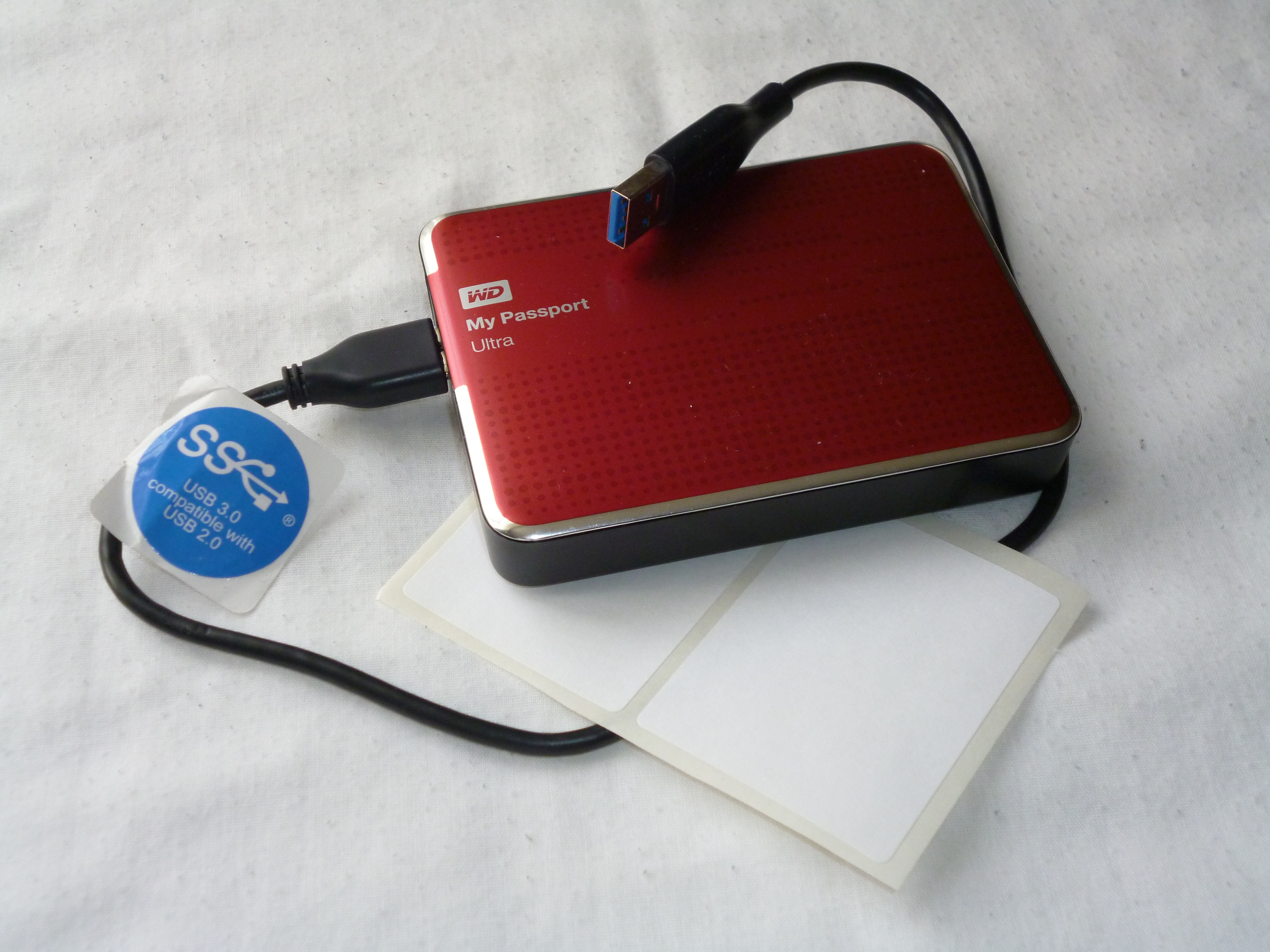
Collect photos across devices, make copies in separate places, and test access regularly.
Link card for Library of Congress paper preservation guidance
Featured link cardProtect letters and documents from light, damp, tape and poor storage with appropriate folders and boxes.