
Housekeeping
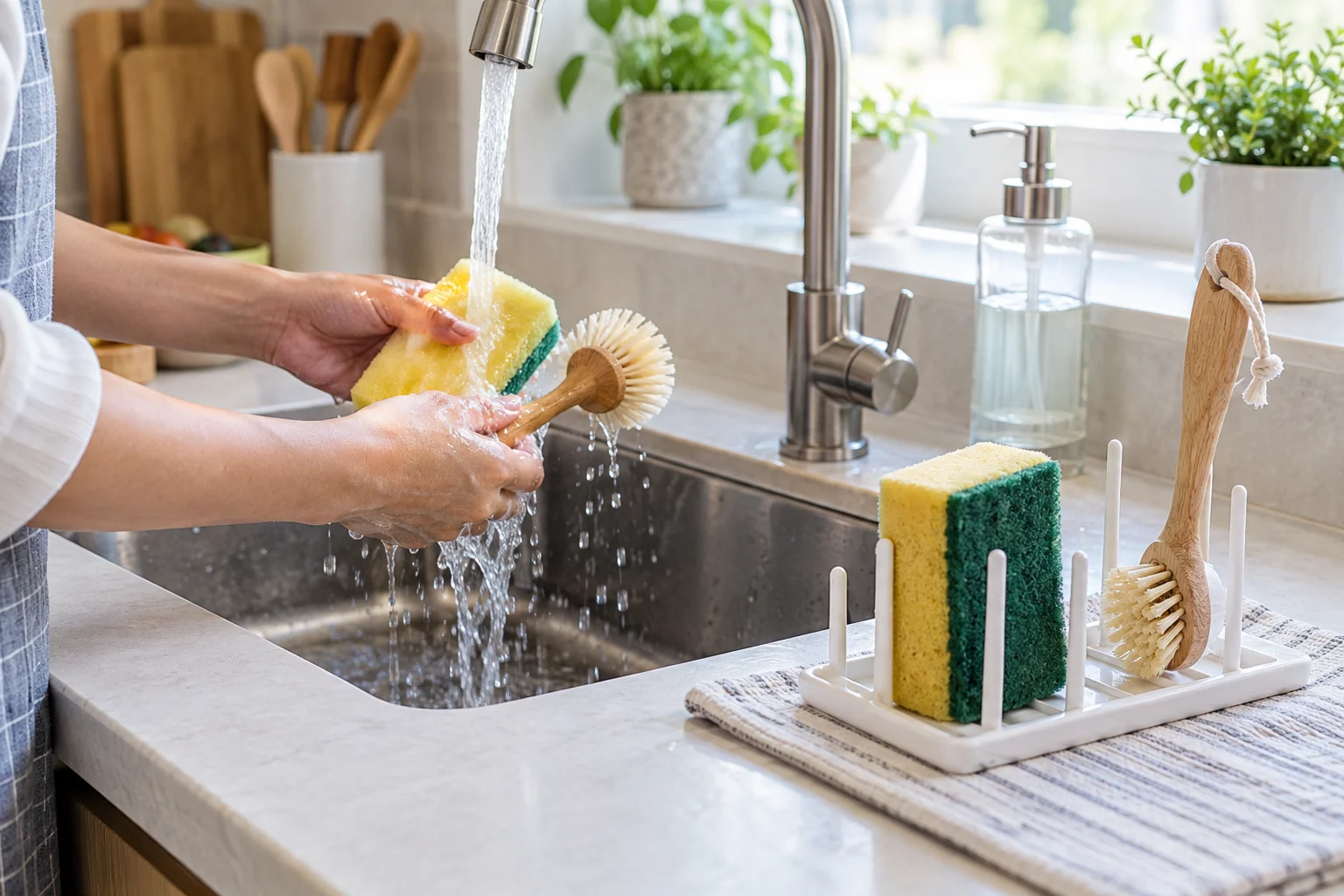
Care for kitchen sponges and dish brushes: rinse, dry and replace
Reduce trapped moisture and food scraps, choose easier-to-dry dish brushes when useful, and replace worn tools.
Everyday care · Find a small change that fits your home.
Reduce trapped moisture and food scraps, choose easier-to-dry dish brushes when useful, and replace worn tools.

Reduce lingering moisture by spreading the curtain open to dry, checking fabric labels, and cleaning the liner according to its material.

Inspect exposed plumbing before a cold snap and never thaw frozen pipes using an open flame.

Check whether your fan exhausts outdoors, ventilate during and after showers, and dry standing moisture.

Wash bedding weekly, dry it fully, and check allergen-resistant covers and indoor moisture.

Cold cycles can save energy, but check stains and hygiene needs first.

Grease can build up inside drains. Let used oil cool, collect it separately and follow local disposal or recycling rules.
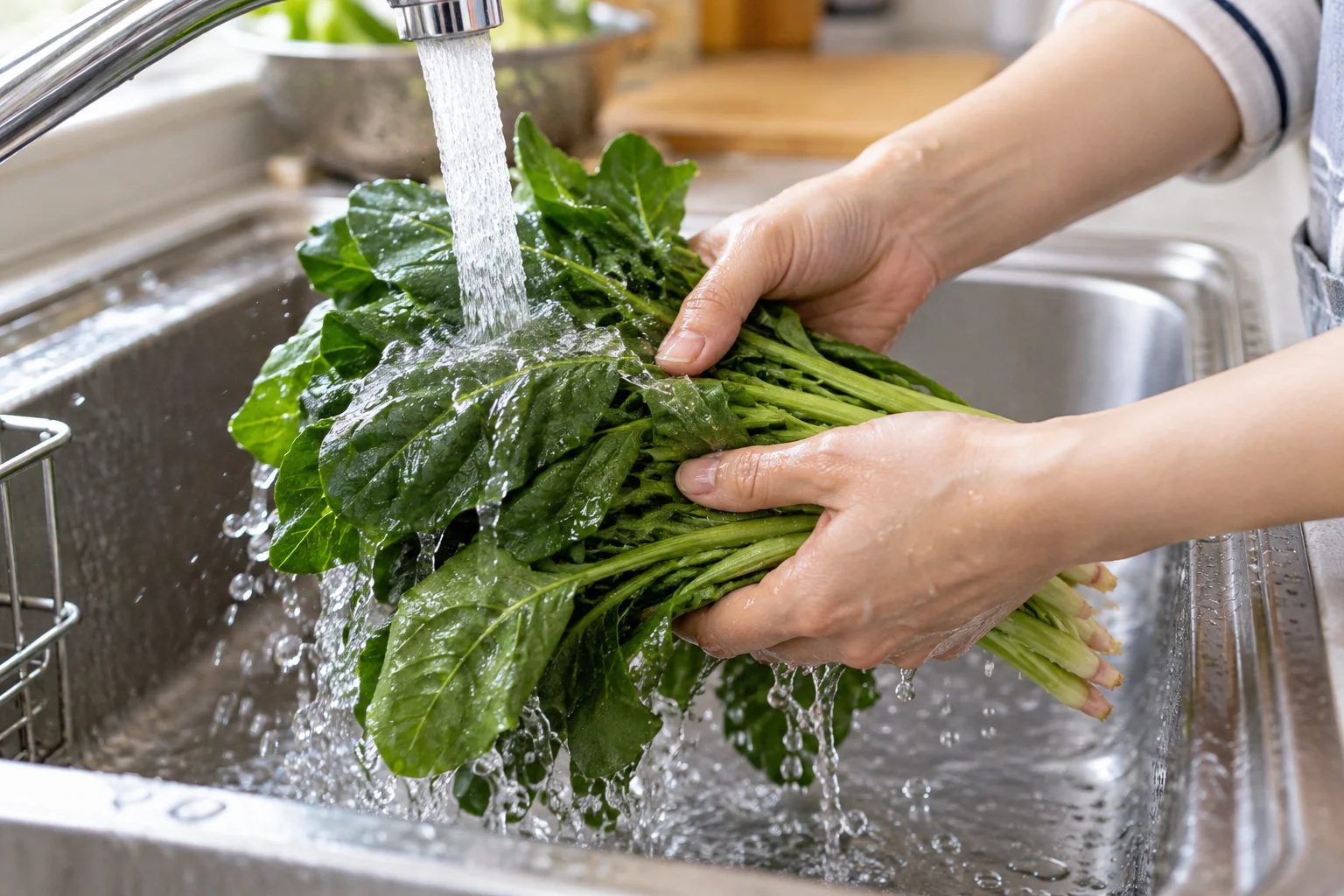
Rinse produce before peeling and scrub firm surfaces with a clean produce brush.

Inspect the sleeping area and luggage rack, keep bags off beds, and check clothing and luggage on return.

If vented drying takes longer, inspect accessible ducting and the outdoor vent, not just the lint filter.

Visually inspect the safe, accessible area around an outdoor unit and leave internal servicing to professionals.

Clean the lid, seals and straw as well as the bottle, then let all washable parts dry fully.