

Organization
Store Markers Flat or Tip-Up? Crayola's Type-by-Type Guide
Crayola recommends tip-up storage for regular washable markers, but horizontal storage for several specialty marker types. Sort before organizing.
Find a small change that fits your home.
Crayola recommends tip-up storage for regular washable markers, but horizontal storage for several specialty marker types. Sort before organizing.

Based on preservation guidance from the Library of Congress and National Archives: store sleeved LPs vertically, support them with dividers and avoid damaging heat and moisture.

Ravensburger Roll Your Puzzle (17956) uses a felt mat, assembled tube and elastic bands to store an unfinished jigsaw of up to 1,500 pieces.

Heat, humidity and sunlight can dull dried spices. Use dry utensils, seal lids and choose a cooler storage spot.
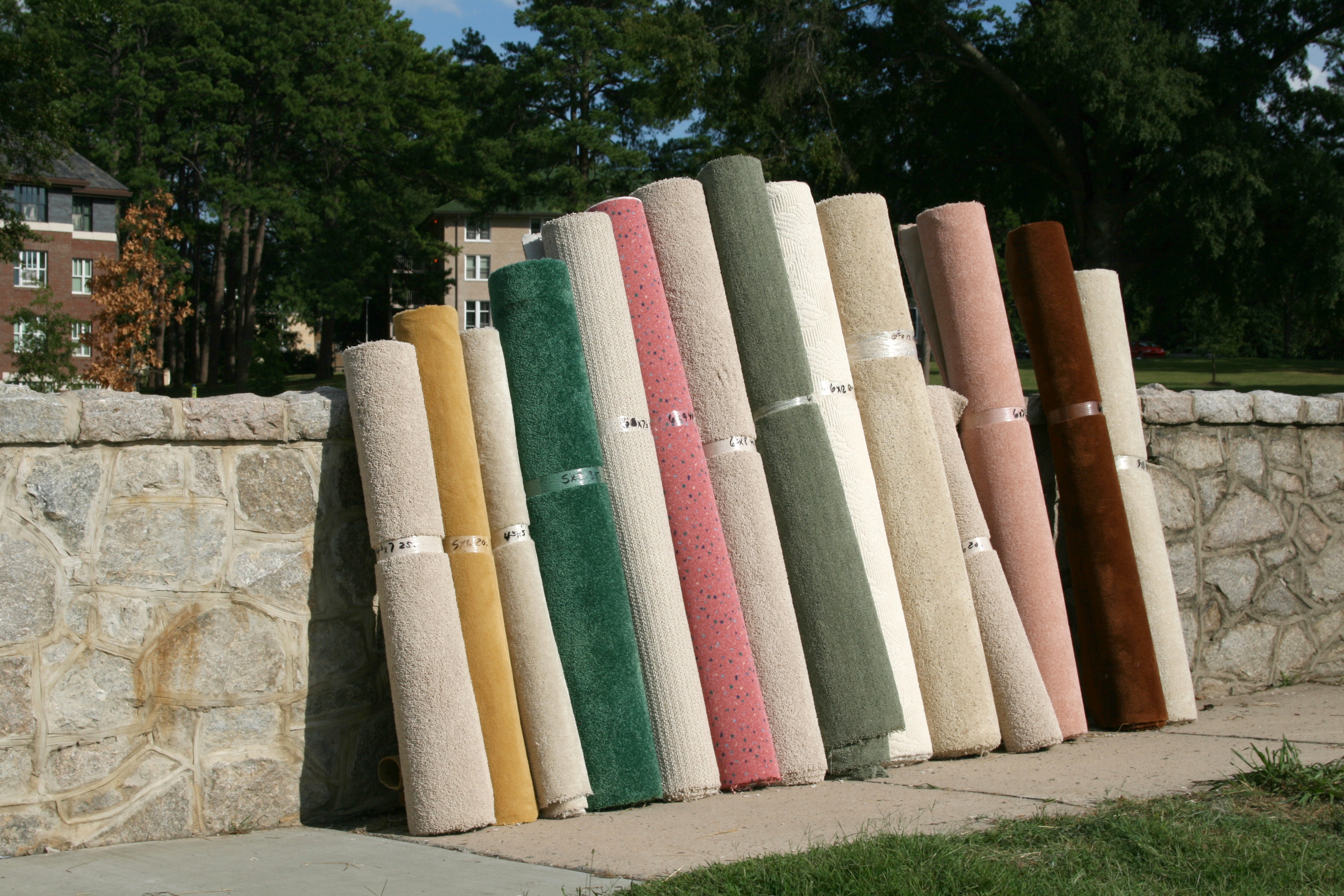
Folding a wool or other textile rug can leave creases or damage fibers. Follow conservation guidance for dry, supported rolled storage.

Based on guidance from the Canadian Conservation Institute: upright books, bookends, large volumes, humidity, daylight and gentle handling.

REI and Therm-a-Rest distinguish self-inflating foam pads from air-only pads: dry well, then follow the correct valve and storage directions for each type.

Coach advises gentle wiping, maintaining bag shape with tissue, and breathable fabric storage away from sunlight. Suede, nubuck and specialty finishes need their own care instructions.

REI recommends fully drying a sleeping bag after a trip, removing it from its compression sack, and storing it loosely in a breathable cotton or mesh bag in a cool, dry place.

A tent needs more than a quick fold after a trip. Follow REI's advice to dry it fully, store it loosely, and choose a cool, dry location.

The Library of Congress and U.S. National Archives recommend suitable photo sleeves and acid-free storage, protection from light and damp, and gentle handling of fragile originals.

Woolmark explains that friction creates pills and recommends gently removing them by hand, with a comb or a fabric shaver. Test delicate knits in an inconspicuous area first.