
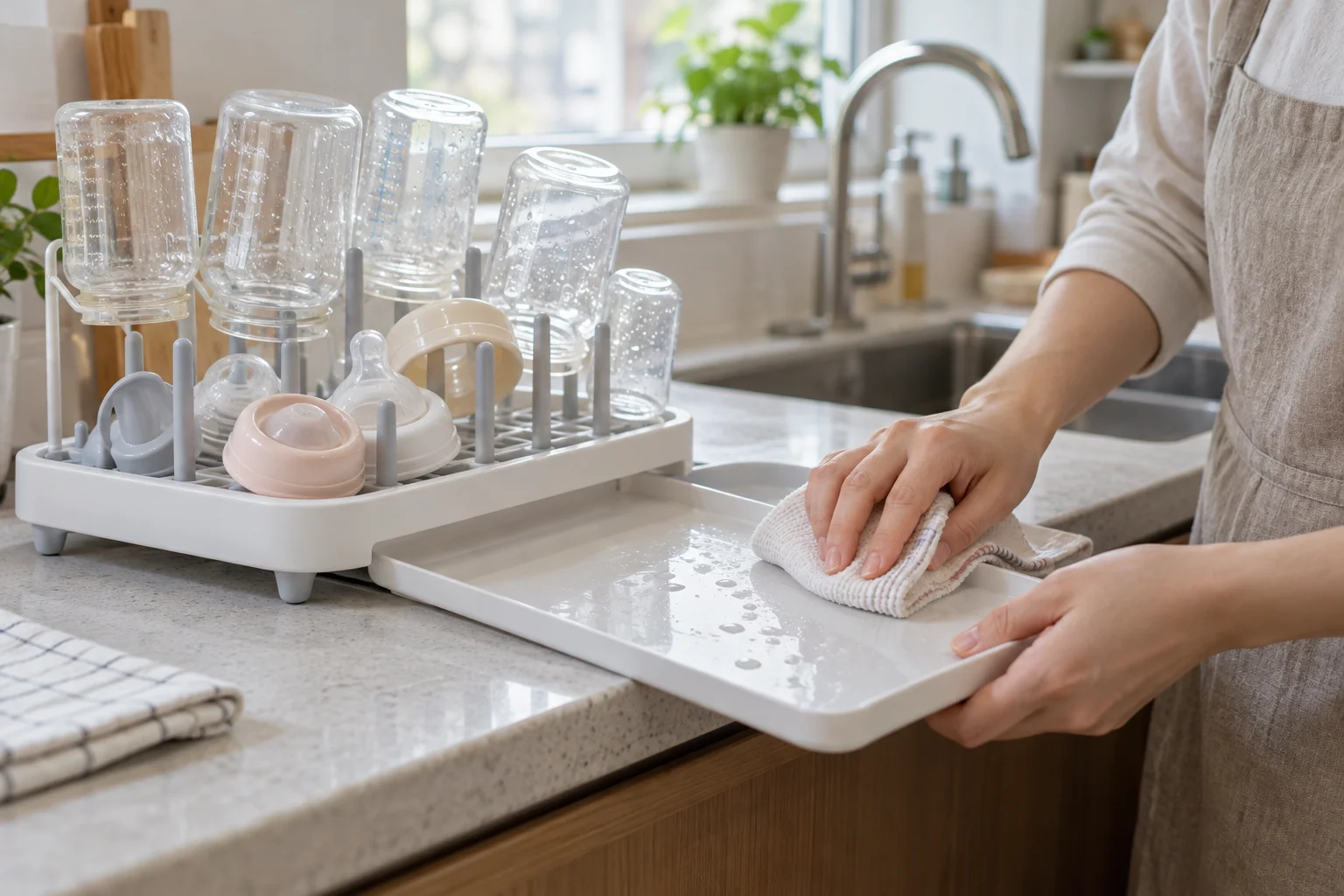
Housekeeping
Baby Bottle Drying Racks Need Cleaning Too
A wet drying rack can recontaminate cleaned bottle parts. CDC advises a dedicated rack for infant feeding items and regular cleaning, sanitizing and thorough drying.
Find a small change that fits your home.
A wet drying rack can recontaminate cleaned bottle parts. CDC advises a dedicated rack for infant feeding items and regular cleaning, sanitizing and thorough drying.
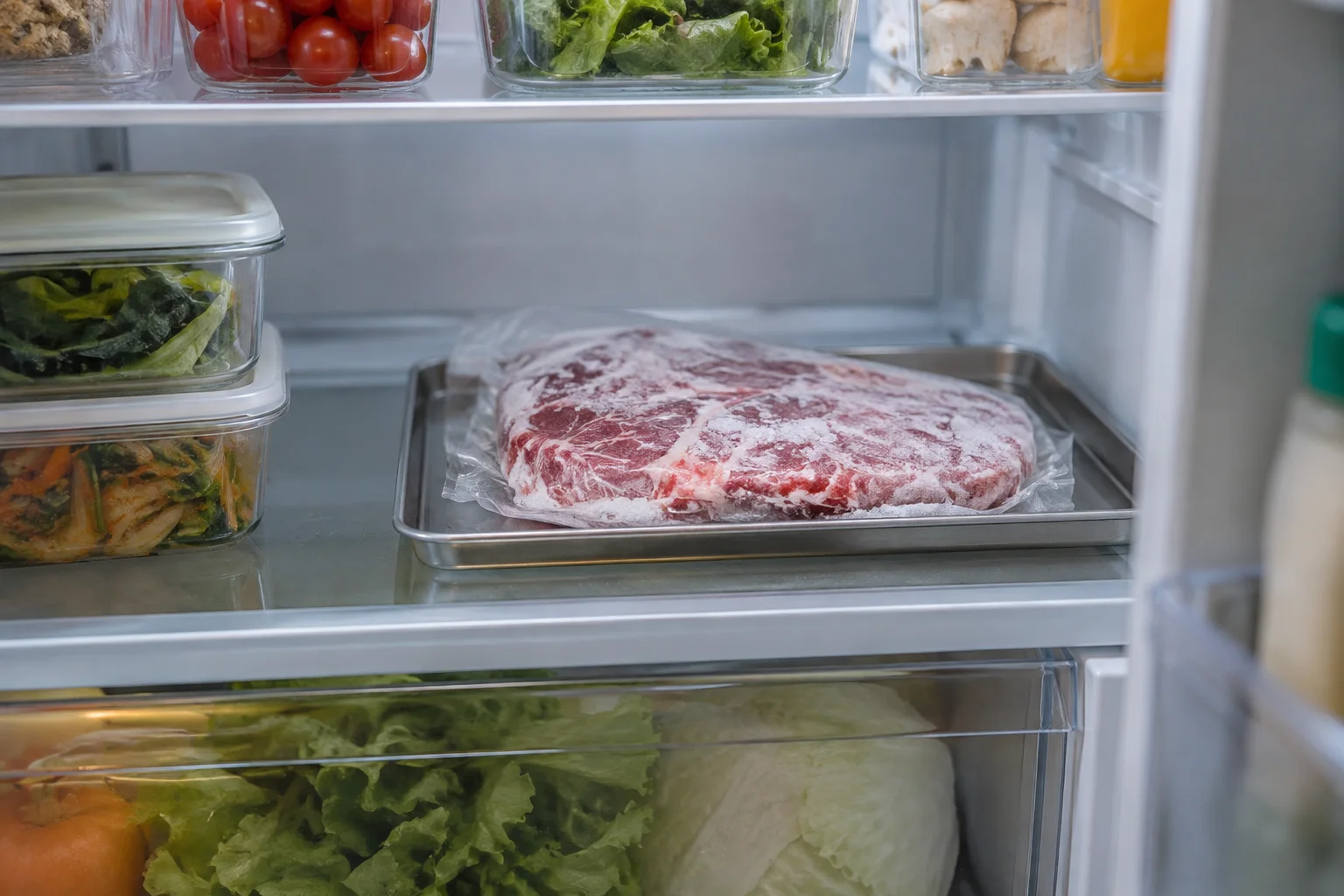
Choose refrigerator, cold-water or microwave thawing; avoid leaving perishable meat at room temperature.

Rinsing raw poultry can spread germs; improve separation, cooking and cleanup steps.
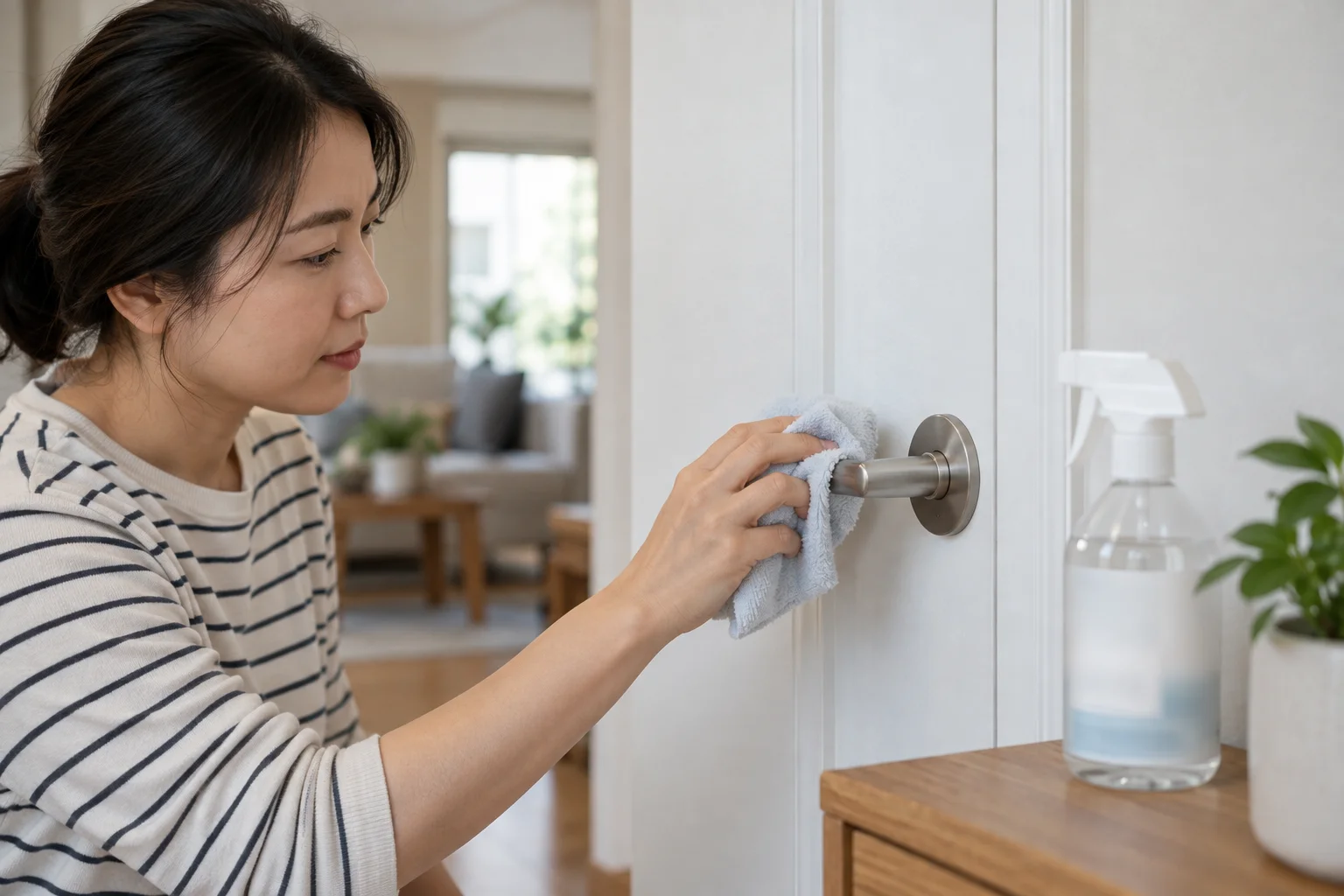
Routine cleaning with an appropriate detergent is usually enough. Disinfect when illness or other conditions call for it, following the product label.
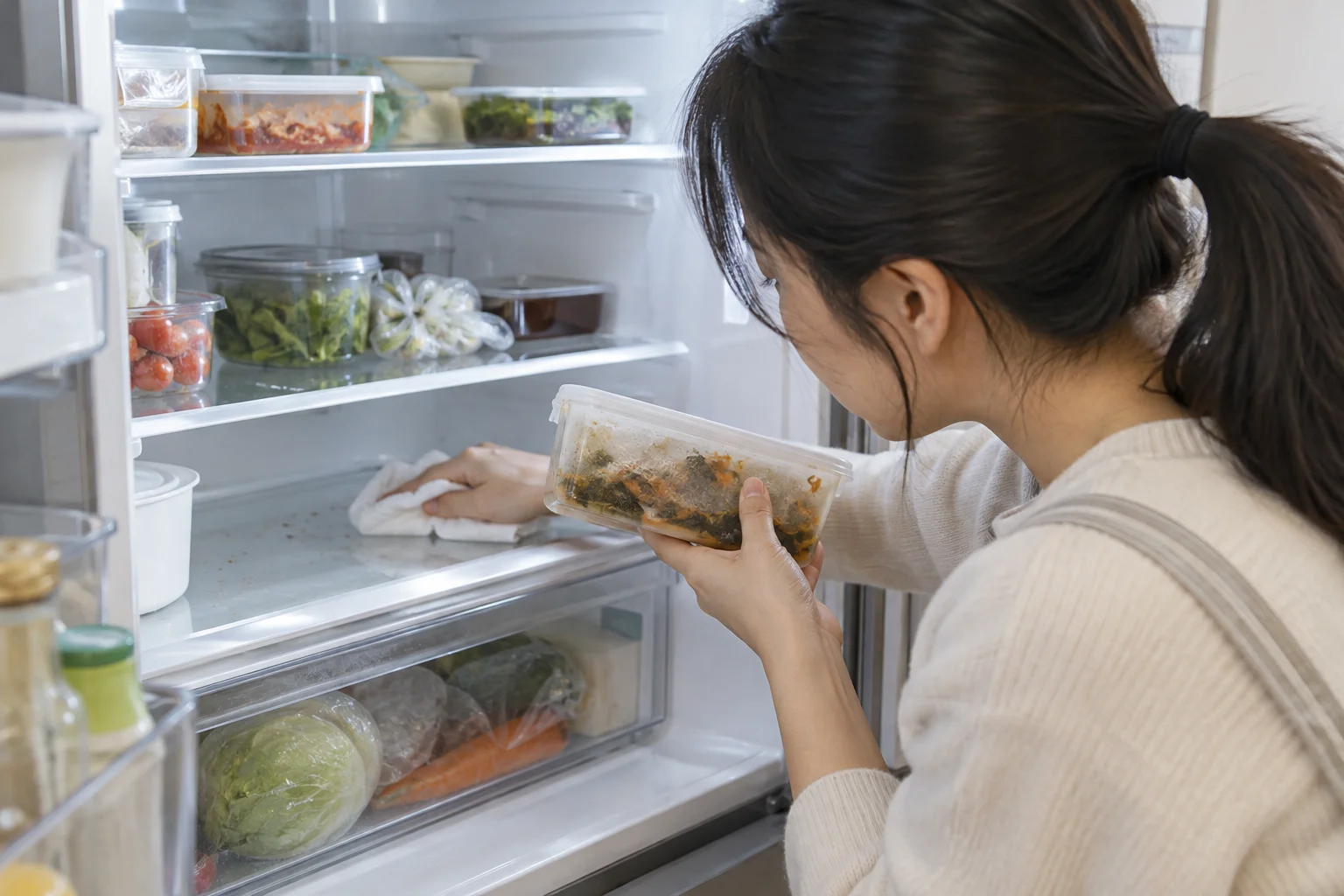
Address food waste, moisture and other odor sources first. Scented products themselves can add indoor pollutants.

Used batteries can still short-circuit or cause fires. Identify the chemistry, isolate contacts and use an approved collection point.
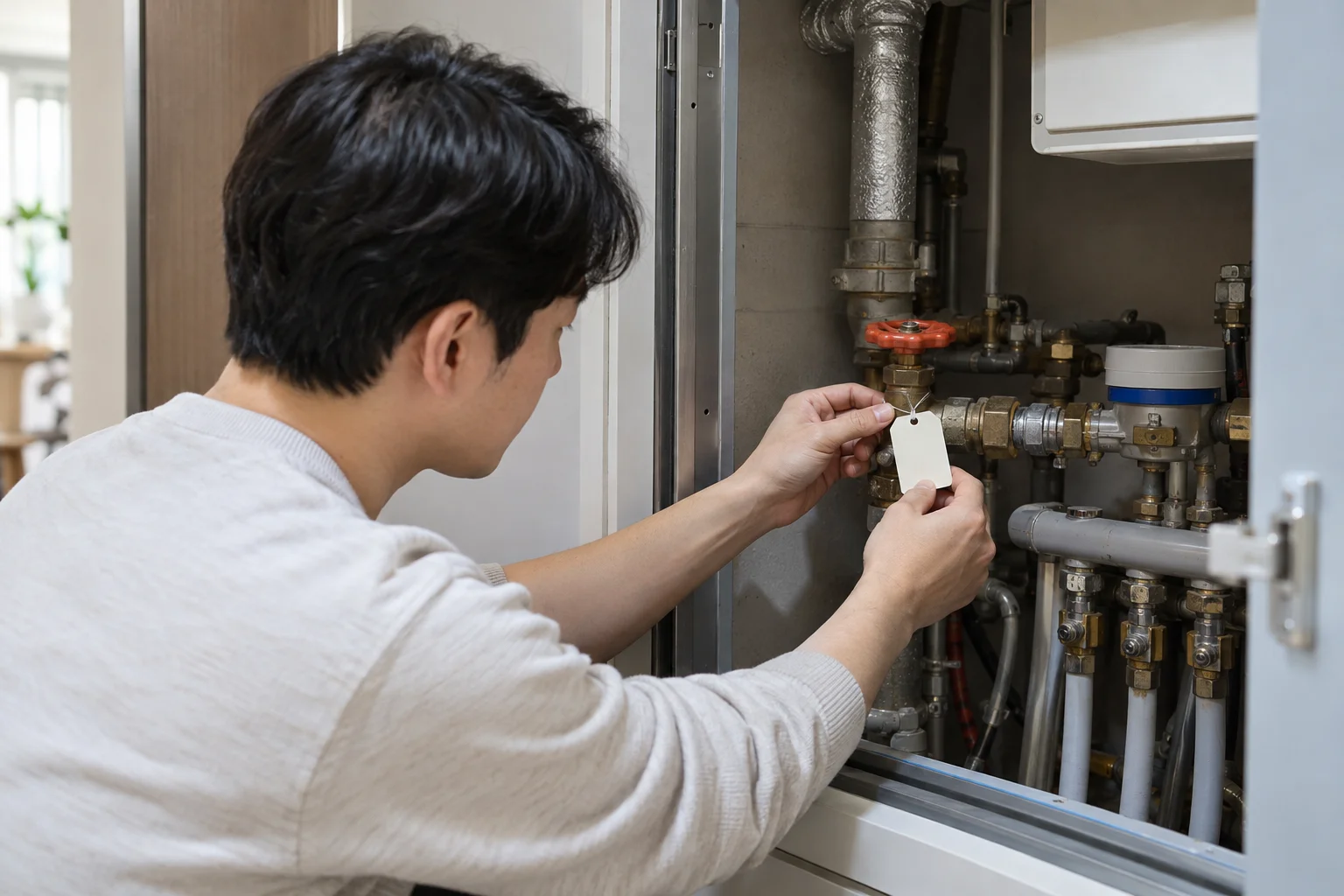
Locate fixture valves and the home's water main in advance; do not operate shared or utility-owned equipment without permission.
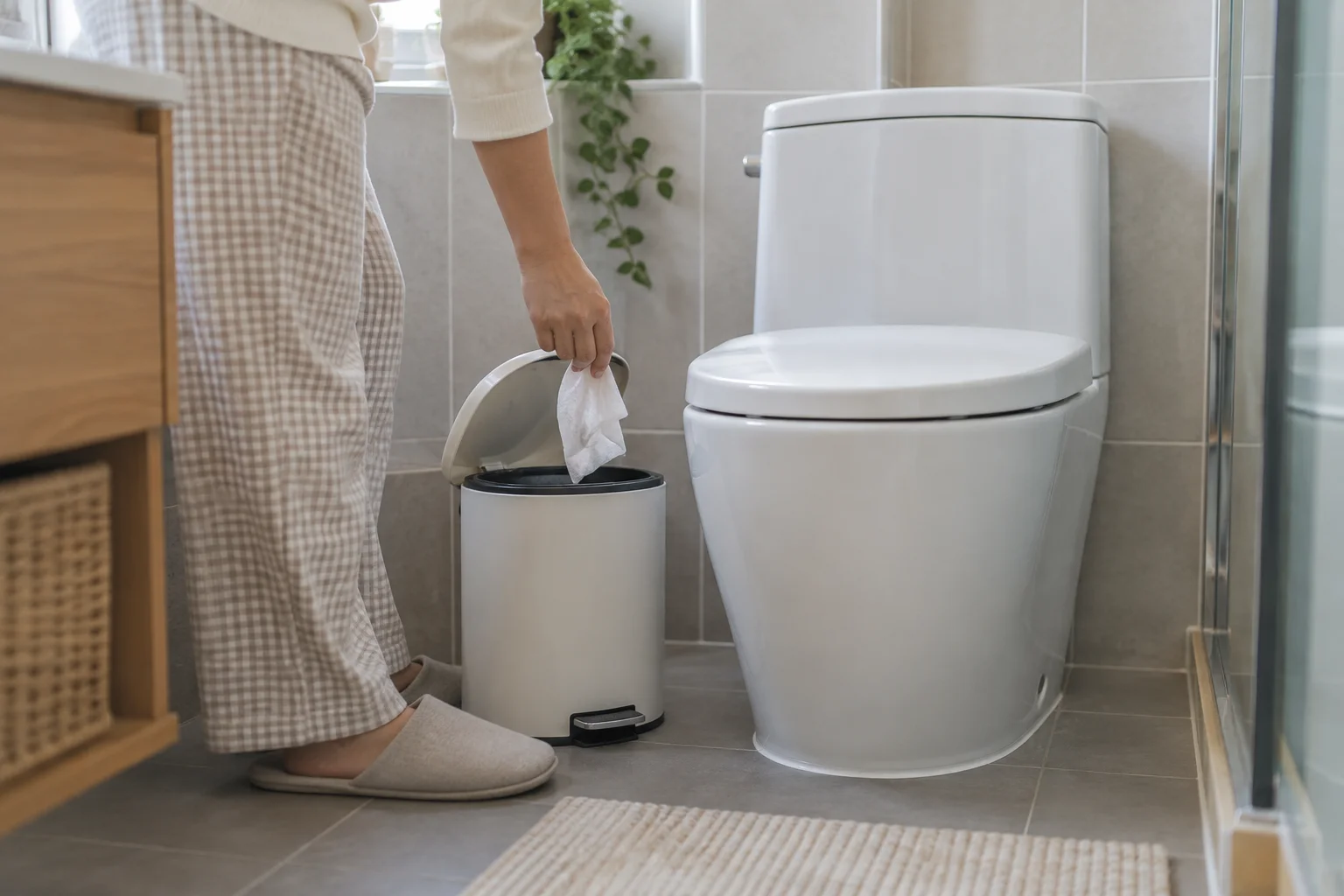
Wet wipes and hygiene items can clog drains and sewers. Use a bathroom bin rather than flushing them, even when the package says flushable.
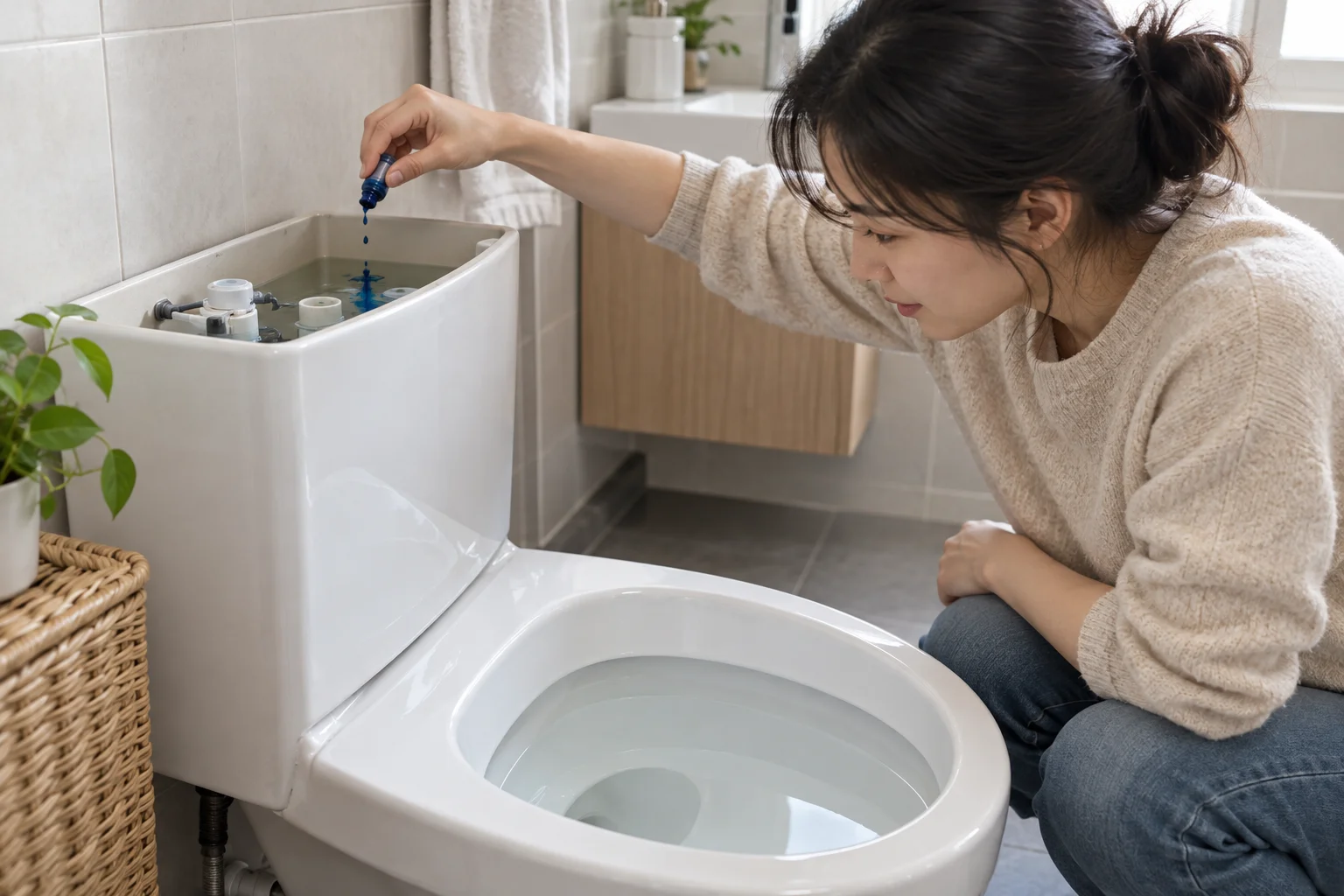
A few drops of food coloring in a compatible toilet tank can reveal a silent leak into the bowl without flushing.
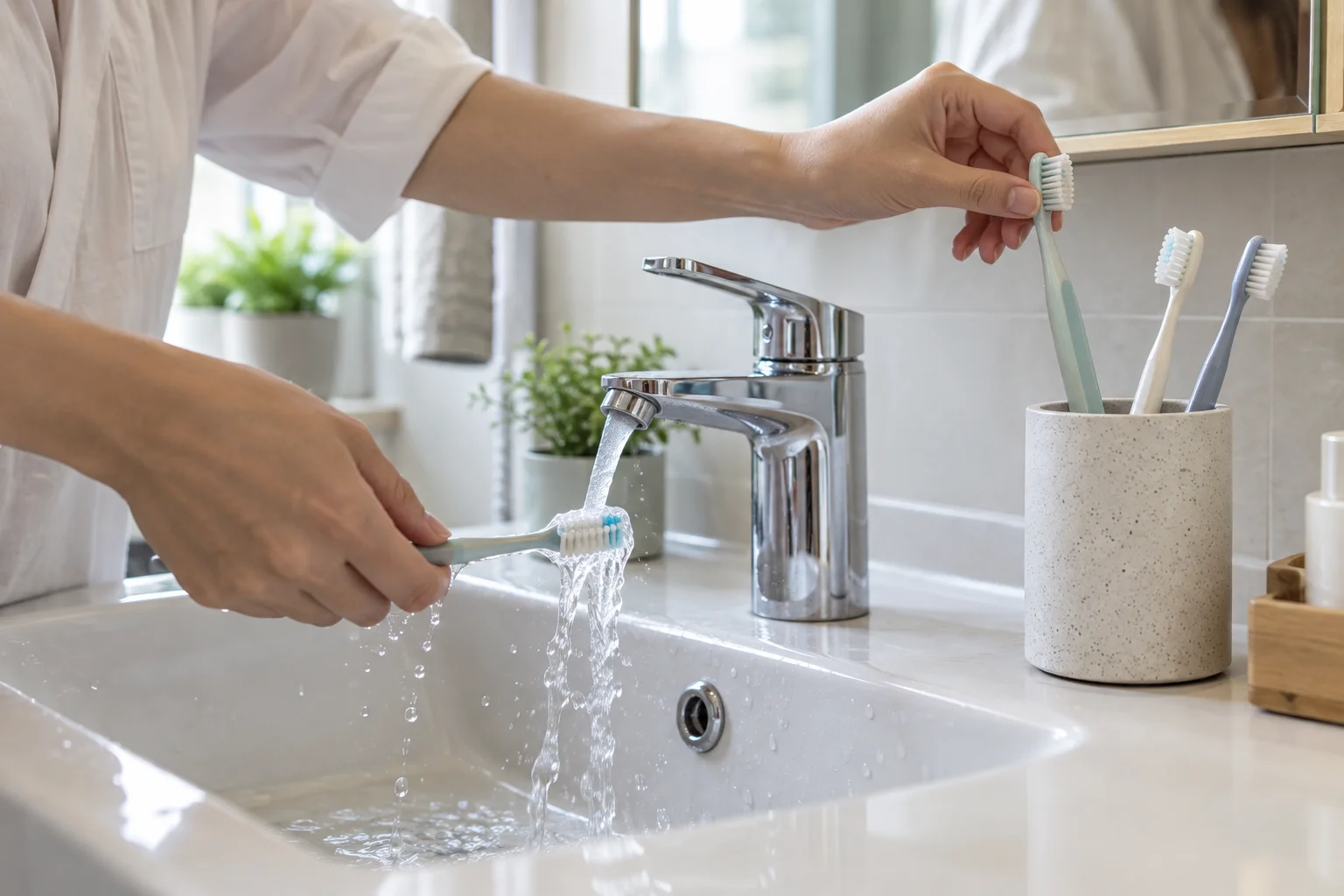
Rinse after use, let the brush air-dry upright, and replace it every three to four months or sooner if worn.
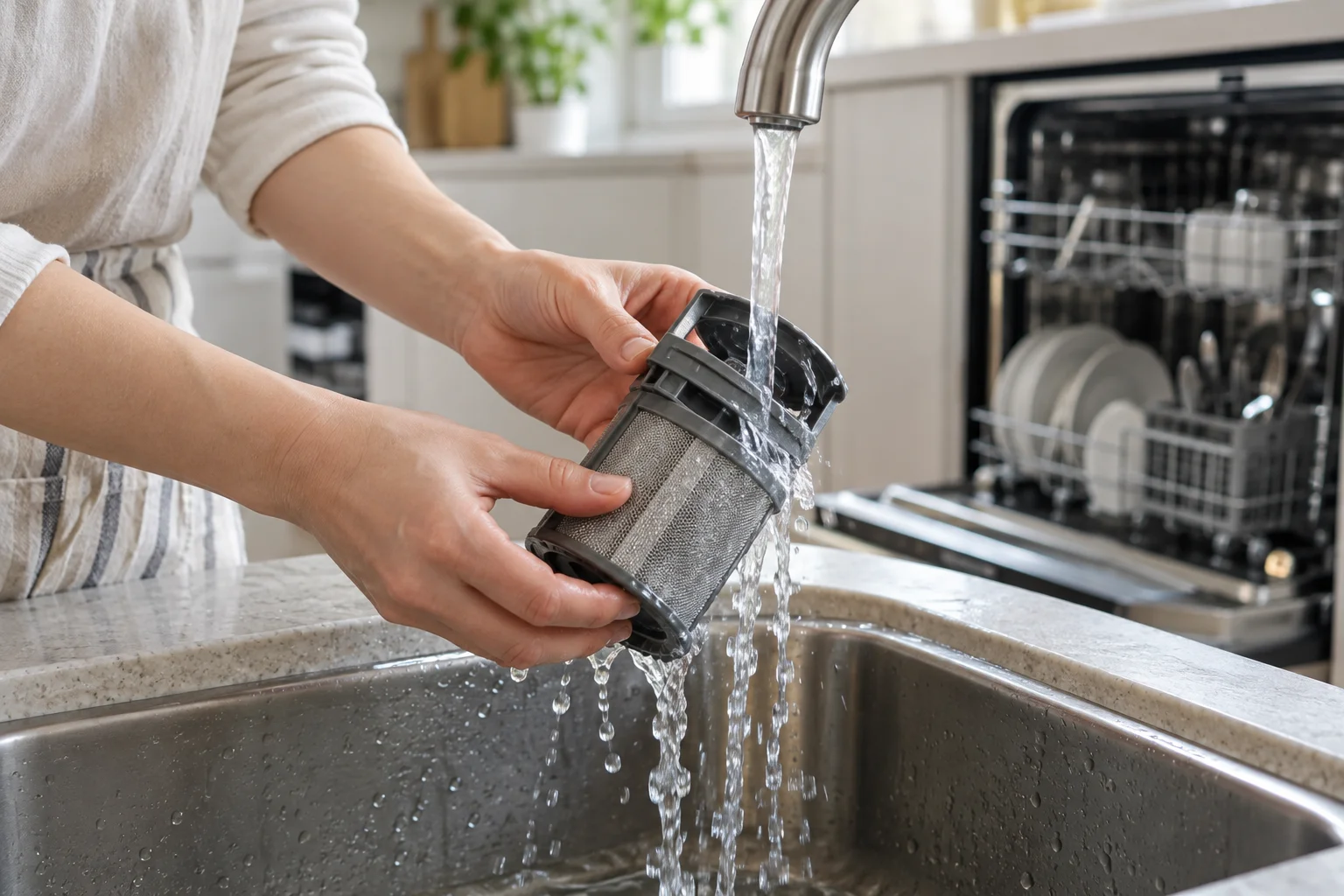
Clean only user-removable filters, rinse gently and lock every filter in place before running the dishwasher.

Use outdoor-venting exhaust while cooking and keep it running briefly afterward.