
Housekeeping
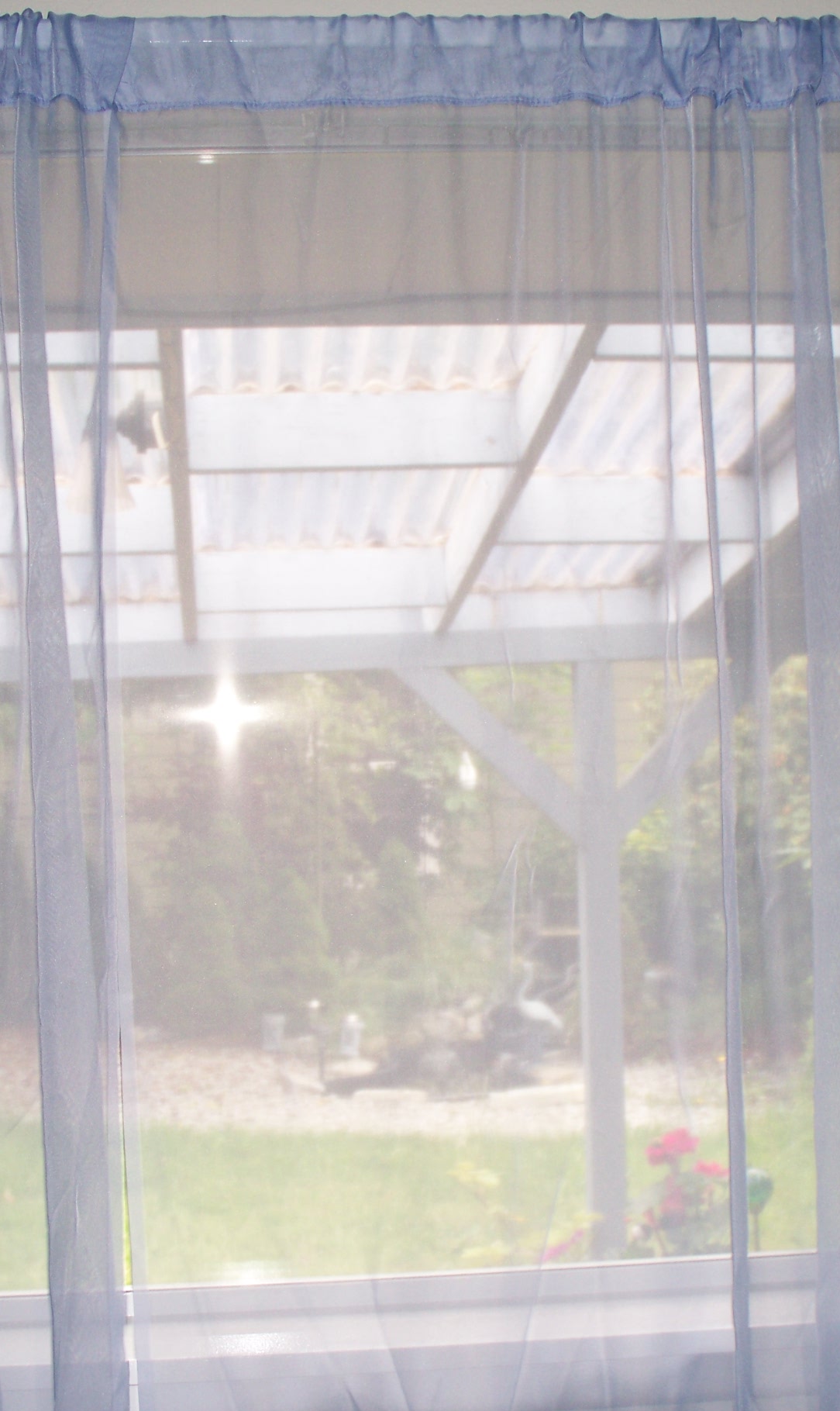
How to wash IKEA STENFRÖ sheer curtains: 40°C and low heat
IKEA lists a 40°C normal wash, no bleach and low-temperature tumble drying up to 60°C for its STENFRÖ polyester sheers. These rules are not universal to every curtain.
Find a small change that fits your home.
IKEA lists a 40°C normal wash, no bleach and low-temperature tumble drying up to 60°C for its STENFRÖ polyester sheers. These rules are not universal to every curtain.

The Korean VINTERFINT striped cotton tablecloth (406.364.81) permits a 40°C wash but no bleach or tumble dryer. Another VINTERFINT cotton–linen version has a 60°C limit: article number matters.

You can freshen shoelaces without machine-washing the shoes. Nike recommends removing laces, using a mild cleaning solution, rinsing, and air-drying.

With the ceiling fan switched off and stationary, a pillowcase can collect dust from its blades. Hunter Fan emphasizes light pressure and applying moisture to cloth, not directly to the fan.

Philips advises cooling for about 30 minutes, using warm water, dish soap and a soft sponge, and soaking stuck-on food for five to ten minutes.
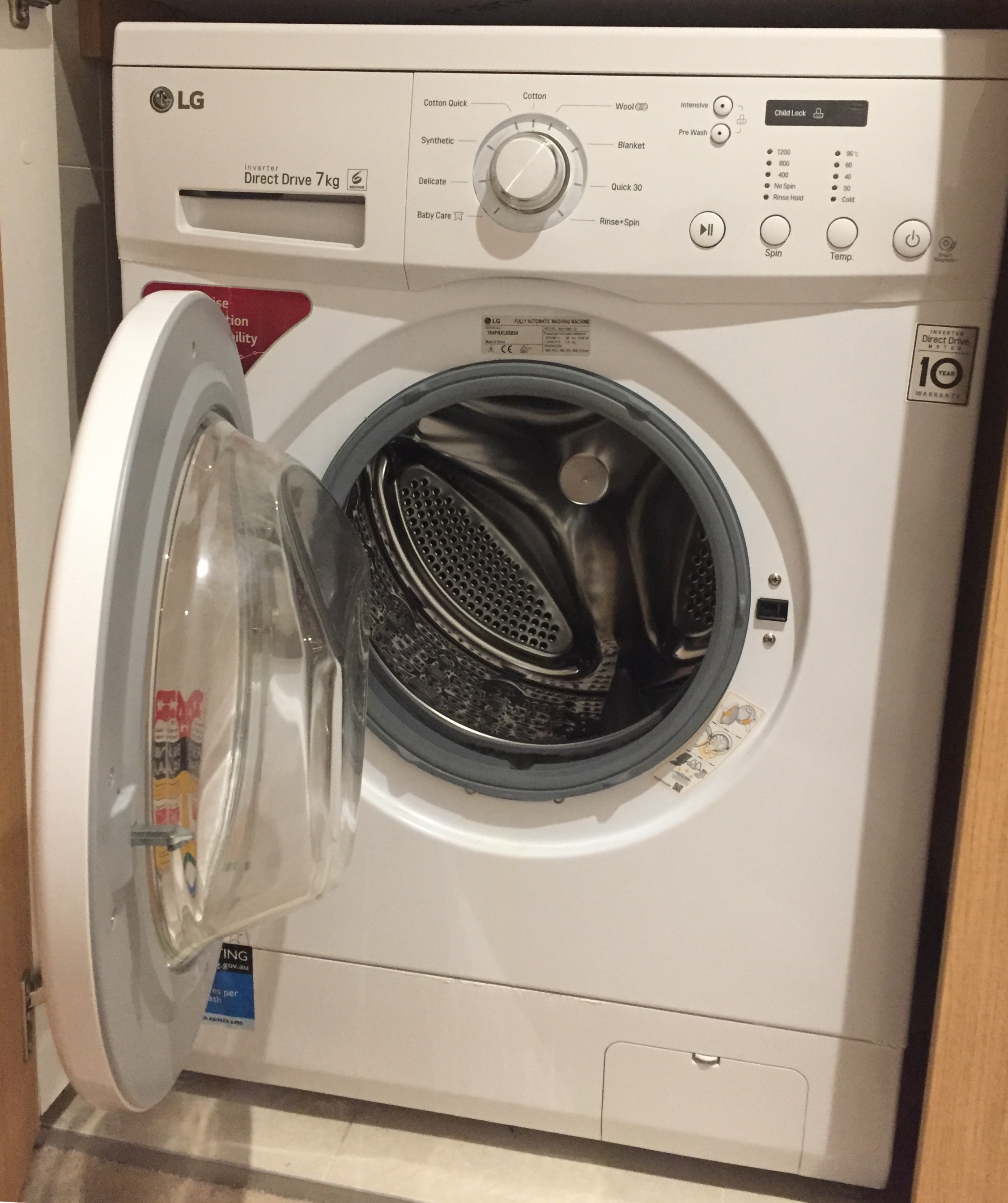
LG advises drying the washer door and gasket after wash days and cleaning inside the folds about monthly. Use only your model's approved cleaner.

New York State health guidance advises laundering cloth bags, washing plastic-lined bags with soapy water and drying completely. Keep raw meat and seafood leaks away from other foods.

T-fal and All-Clad recommend gentle handwashing, avoiding abrasives and overheating; heat limits and permitted utensils vary by model.

Delta recommends rubbing flexible Touch-Clean nozzles clean. Certain other heads allow diluted vinegar, but that method is not suitable for every finish.

Microfiber cloths have product-specific care limits. IKEA PEPPRIG 005.756.39 allows normal machine washing up to 40°C but no bleach, tumble drying, ironing or dry cleaning. Follow other cloths' own labels.

If indoor window condensation returns, dry the surface promptly, ventilate during cooking and showering, and check humidity and cold surfaces. Persistent wall dampness may also point to leaks or insulation problems.

Start with spoiled food, leaks and unsealed containers when a refrigerator smells. Clean its interior as the appliance maker directs; baking soda may help with residual odor but cannot replace removing the source.