

Housekeeping
Showerhead Care in 6 Steps: Clean Nozzles Without Damaging the Finish
Check for mineral buildup and clean flexible nozzles and finishes gently, following the product manual.
Find a small change that fits your home.
Check for mineral buildup and clean flexible nozzles and finishes gently, following the product manual.

Clean removable dispenser parts with water, a soft brush, and thorough drying. Keep auto-dose electrical contacts dry.

Hang bath towels to dry between uses. ACI suggests laundering after three to five normal uses, earlier if soiled or unable to dry.

Switch off and empty the dust cup before it overfills. Water washing and drying rules differ for the cup, filters, and motor unit.

Based on US EPA advice: how to care for a portable humidifier's tank, limit minerals, clean it regularly, monitor humidity and store it safely.

Using Philips' official guidance, clean removable baskets and pans gently, protect nonstick surfaces and keep the electrical body safe.

Based on Broan-NuTone instructions, distinguish washable metal grease filters from non-washable charcoal filters and care for each safely.

Wash cloth bags according to their labels and hand-clean lined bags as appropriate. Separate raw meat and ready-to-eat foods and dry bags completely.

White kettle deposits may be mineral scale. Vinegar and citric-acid quantities and heating instructions vary by model. Always follow your manual and keep electrical parts dry.

Wash detachable microfiber mop heads as their makers direct, without softener or bleach, and air-dry completely.

Carbon monoxide has no color or smell. Learn where CO alarms belong, how to test them every month, when to replace batteries or devices, and what to do if an alarm sounds.
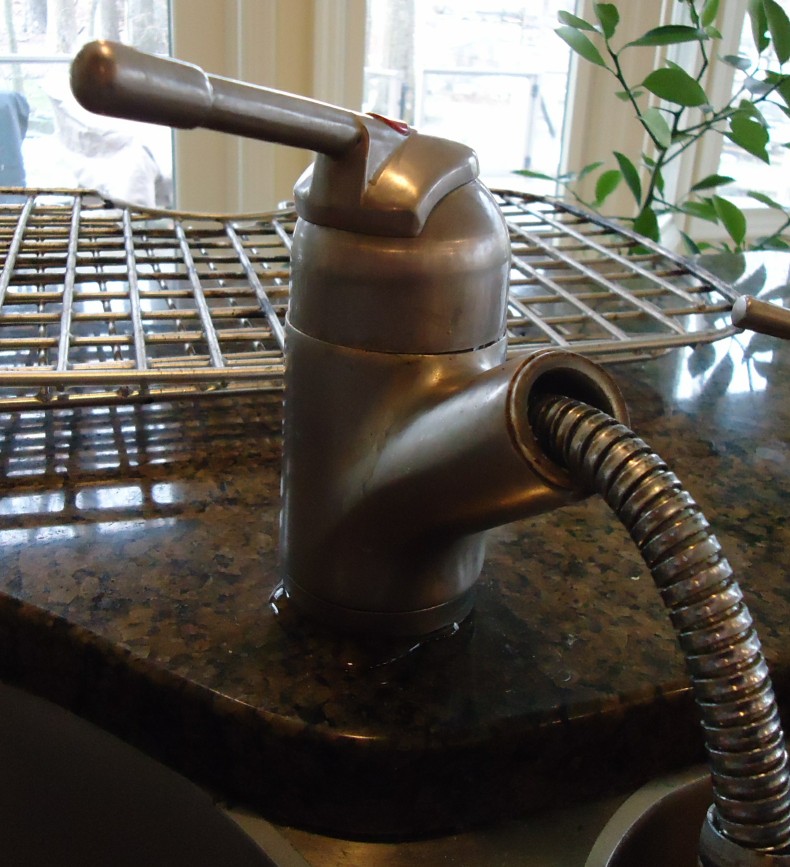
A dripping faucet or a damp sink cabinet may signal a leak. Inspect visible fittings, compare meter readings while no water is used, and know when to call a qualified professional.