

Housekeeping
Clean Bottle Lids and Silicone Seals in 6 Steps: Check, Wash, Air-Dry
Care for residue and moisture around bottle lids and seals. Only disassemble parts or use a dishwasher when the specific product instructions permit it.
Find a small change that fits your home.
Care for residue and moisture around bottle lids and seals. Only disassemble parts or use a dishwasher when the specific product instructions permit it.

Sediment or mineral buildup in a faucet aerator can distort water flow. Follow a gentle cleaning routine for removable models, without damaging finishes or seals.
Text-only link card to the original Stasher care and cleaning guide
Featured link cardFollow Stasher's instructions: hand-wash with warm soapy water or use a dishwasher, clean trapped residue in the seal, air-dry open, and never turn the bag inside out.

Check the specific care label of the removable MANNARP 3-seat cover (406.113.29): wash separately at up to 40°C and avoid bleach and tumble drying.
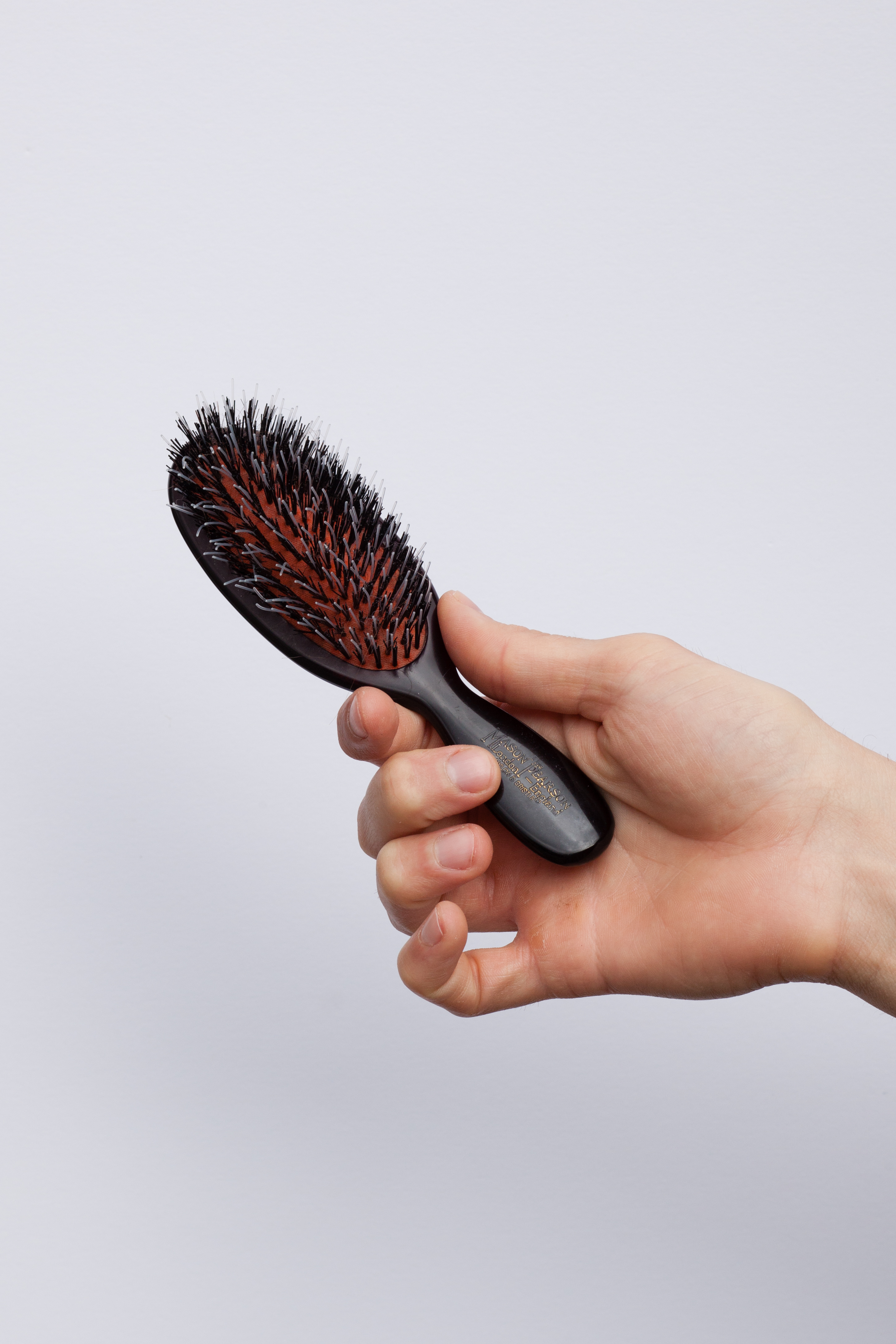
A cushioned brush with natural and nylon bristles should not be soaked like a simple plastic comb. Follow the maker's guidance, remove trapped hair and dust first, and use minimal suds only when permitted.

Removable sneaker insoles can be spot-cleaned using a little mild soap and cool water, then dried fully. Bonded, leather or specialist orthotic insoles require their own care directions.

Dish racks need attention too: drain standing water, follow plastic or metal care labels, and let everything dry.

A gentle approach to brown tea or coffee rings on everyday glazed ceramic mugs. Check the glaze and maker's care label before trying baking soda.
Pilling is caused by friction. Start by removing a few pills by hand, then consider a gentle knit comb or fabric shaver after checking the fabric.

For lacquered wood and wood-veneer dining tables, a mildly dampened cloth and immediate drying are a sensible baseline. Unfinished and oil-treated furniture may need different care.

A practical guide to removing residue from refrigerator door seals and checking for damage or poor closure.

Cleaning depends on the material: polyester curtains may be machine washable, while PEVA liners often require wiping and rinsing.